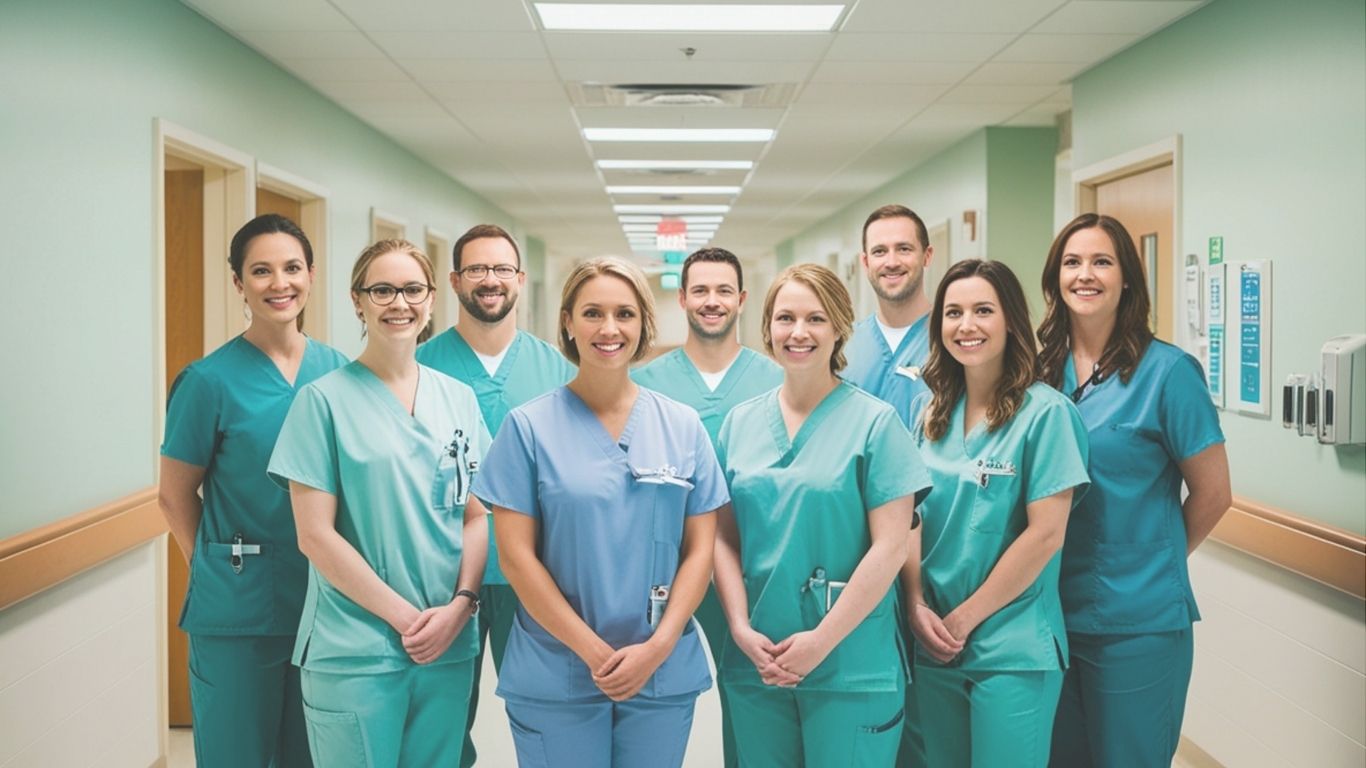
Hospitality and retail organizations that are winning the talent war aren't adding more recruiters. They're using AI-augmented hiring to move faster on every applicant while delivering a higher-quality shortlist that hiring managers can trust.
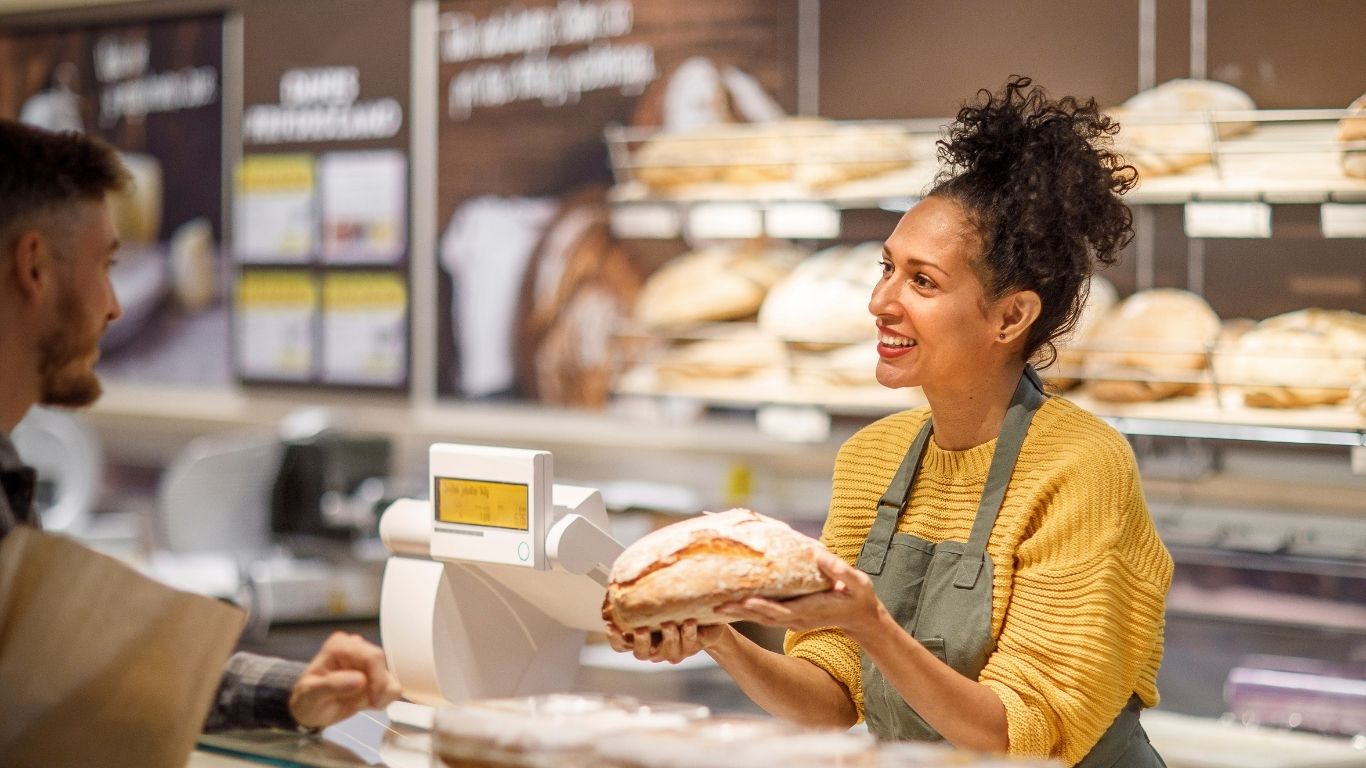
In hospitality and retail, the quality of your people drives the quality of your service. A guest's experience at a hotel, a restaurant, or a retail store is shaped almost entirely by the employees they interact with. The front desk agent who handles a complaint gracefully, the server who reads a table well, the sales associate who makes a customer feel genuinely helped. These moments define your brand far more than any marketing campaign.
That makes every hiring decision a brand decision. And it makes the volume and velocity of hiring in these industries one of the most demanding operational challenges HR teams face.
Hospitality and retail hire at scale and under constant time pressure. A single seasonal push can require filling dozens of positions across multiple locations in a matter of weeks. A hotel opening, a new store launch, or a summer peak can overwhelm any recruiting team trying to screen applicants the traditional way. And because turnover in these industries is among the highest of any sector, the process starts again almost as soon as it ends.
The standard hiring approach was not built for the pace, volume, or candidate profile that defines hospitality and retail hiring.
The qualities that make someone exceptional in a guest-facing role (warmth, energy, composure under pressure, genuine service orientation) don't appear on a resume. Many strong candidates in hospitality and retail won't have one at all. A candidate who has never worked in a hotel but has spent years managing a busy diner counter may be exactly the right person for your front desk. A document-based filter won't find them.
When hundreds of applications arrive for a seasonal server position or a retail associate role, the instinct is to move fast and screen loosely. That approach fills shifts but doesn't fill them well. Poor hires in customer-facing roles affect guest satisfaction scores, generate complaints, and create extra work for the colleagues who pick up the slack. The cost of a bad hire compounds every shift that person works.
In most hospitality and retail operations, the people closest to the hiring decision are also the people running the floor. Asking a restaurant general manager or a store manager to spend their peak hours on phone screens is a real operational cost that rarely appears in any hiring budget. It also means first-round conversations are rushed, inconsistent, and squeezed between a hundred other responsibilities.
The Bureau of Labor Statistics consistently reports some of the highest turnover rates in the economy for accommodation, food service, and retail trade. For many organizations, this means hiring never really stops. A process that was already inefficient at low volume becomes genuinely unsustainable when it runs continuously. Something in the process has to be systematized, or the cost and effort just keep compounding.
A slow screening process is manageable when you're filling two positions. When you need twenty associates in place before the holiday season or a full banquet staff before a summer conference season, every day of delay has a direct operational cost. Most organizations respond by cutting screening corners rather than fixing the underlying process.
A bad hire in a guest-facing role doesn't just cost the salary. It costs the experience of every guest that person interacts with before the problem is identified and addressed. SHRM estimates that replacing a bad hire can cost 50 to 60 percent of that employee's annual salary, but in hospitality and retail, the downstream impact on customer satisfaction and team morale often exceeds the direct financial cost.
High turnover also normalizes itself in ways that mask the real expense. When turnover is "just how this industry works," organizations stop scrutinizing the hiring decisions that drive it. But research consistently shows that a meaningful portion of early attrition traces back to poor candidate fit that better screening would have caught.
The goal is not just faster hiring. It is hiring that produces people who actually stay.
AI-augmented hiring doesn't replace the instincts of your general managers, store managers, and department leads. It ensures those instincts are applied to a well-screened shortlist rather than a pile of applications that no one had time to review carefully.
Instead of relying on application filters to decide who deserves a conversation, an AI interviewer conducts structured, conversational interviews with every single applicant, including those who apply without a resume. Every candidate gets a fair shot based on how they actually communicate and think, not on what they submitted. Your team receives a complete, consistent picture of the full pool before committing a single hour to in-person conversations.
Every candidate receives the same carefully designed set of questions, rooted in the STAR framework (Situation, Task, Action, Result), built around the realities of the role. For a front desk agent, that means questions about handling a difficult guest situation calmly and professionally. For a banquet server, questions about managing a high-pressure service event with a large team. The interview is designed to surface the judgment, communication, and service orientation that actually predict success in the role, not generic behavioral prompts that could apply to any job.
Energy, warmth, reliability, and genuine service orientation are the qualities that make someone thrive in hospitality and retail. They're also the hardest things to assess from a document, and they won't appear at all for candidates who apply without one. Structured AI interviews are designed to surface these qualities consistently, giving you a clearer picture of each candidate's fit before they ever interact with a guest.
In traditional hiring processes, most applicants are screened out before anyone speaks to them, based on what they submitted, or didn't submit. With AI interviewing, every candidate gets a structured conversation on their own schedule, day or night, whether they came in with a full work history or no resume at all. The candidate who has been a hotel housekeeper for five years gets the same opportunity as someone with a polished application. So does the candidate applying for their first retail role with no prior experience but excellent instincts for service.
Whether you're screening candidates for a downtown flagship, a suburban store, or a resort property, every applicant is evaluated on the same questions and the same criteria. That consistency makes it possible to compare candidates across locations and to build a reliable picture, over time, of what actually predicts retention in your environment.
Hiring tools vary in how well they translate to the pace and candidate profile of hospitality and retail. These capabilities matter most.
Candidates applying for service roles respond to interaction, not bureaucracy. A form-based screening tool signals the wrong thing about your organization before the candidate even walks in the door. Look for a system that conducts a real, natural conversation that gives candidates a positive experience of your brand from their very first touchpoint.
A barista and a banquet captain require different conversations. So do a luxury hotel concierge and a fast-casual shift lead. Your platform should let you tailor interview questions and scoring criteria to each role so candidates are evaluated on what actually matters for their specific position.
When you need to fill twenty positions in three weeks, your screening process has to move at that speed. A platform that delivers a prioritized shortlist within days of a posting going live keeps your hiring on schedule without forcing you to skip the screening steps that protect quality.
Your general manager and store managers are running operations while they're hiring. The output of an AI interview should be a shortlist they can review in minutes, with structured scoring that tells them immediately who is worth an in-person conversation and who isn't.
Hospitality and retail hiring is relentless. The volume is high, the timelines are short, turnover keeps the process running year-round, and the stakes of a poor hire show up immediately in the guest experience. Traditional screening processes weren't built for any of that. They slow you down, force shortcuts, and leave qualified candidates undiscovered.
AI-augmented hiring changes the equation. Every applicant gets a fair, structured interview. Your managers receive a complete, calibrated shortlist before they invest time in face-to-face conversations. The result is a faster process, better hires, and a workforce that's more likely to stay.
Faster time-to-fill: Screen every applicant without overwhelming your store managers and department leads or falling behind during seasonal surges.
Lower turnover costs: Better front-end screening means fewer early departures, less constant rehiring, and more stability in the teams your guests interact with.
Better candidate quality: Structured behavioral interviews surface the candidates with the service orientation, reliability, and temperament that actually predict success in guest-facing roles.
Manager time protected: Return the hours your general managers, store managers, and department leads currently spend on first-round screening to operations, training, and the floor.
Consistent standards across locations: Whether you're hiring for one property or twenty, every candidate is evaluated on the same criteria so guest experience quality doesn't vary by location or hiring manager.
Hospitality and retail organizations that are building smarter hiring processes aren't the ones with the most recruiters. They're the ones who figured out how to screen every applicant without slowing down.
AI-augmented interviewing is how you get there.

Talent Pronto is an AI-powered hiring platform built around Anna, our intelligent AI that conducts 24/7 conversational screening, evaluates candidates against specific job requirements and compliance needs, and schedules interviews. Run everything on the Talent Pronto ATS, our all-in-one applicant tracking system with a branded careers site and Anna built in, or keep your existing ATS and let Anna integrate with Greenhouse, Ashby, iCIMS, Jobvite, Lever, Oracle, and more. Either way, we help organizations reduce time-to-hire and build stronger teams.